
WATER HEATER REPAIR & INSTALLATION in Paradise Valley
Expert Water Heater Service in Paradise Valley
Reliable Solutions for Cold Water and Leaking Tanks
How Hard Water Damages Your Heating System
Understanding Sediment Buildup and Tank Performance

Traditional Tank Water Heaters
Benefits
- Lower upfront installation cost
- Large reservoir of ready-to-use hot water
- Simpler replacement for existing tank systems
- Proven, reliable technology
Things to consider
- Finite supply (you can run out of hot water)
- Higher monthly energy costs due to standby heat loss
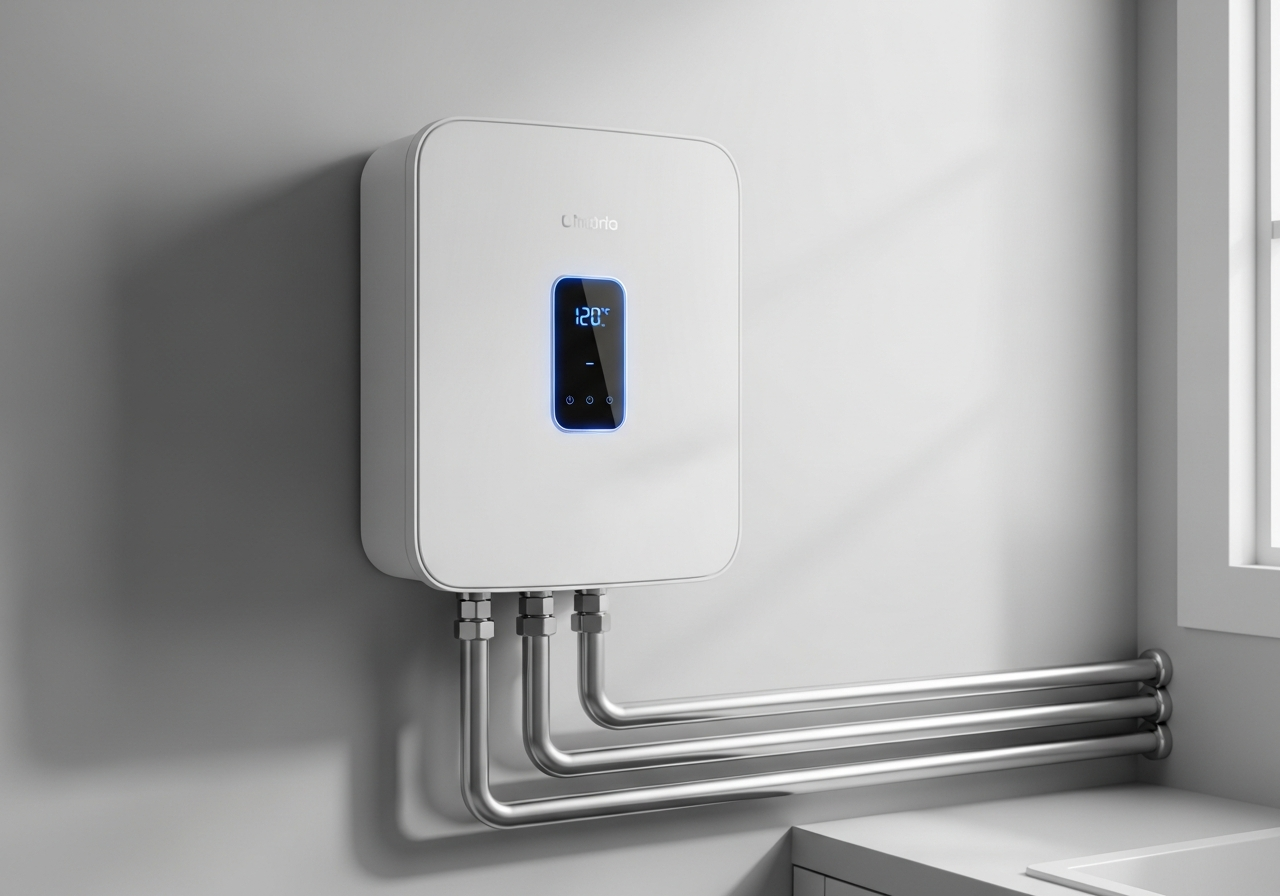
Tankless Gas Water Heaters
Benefits
- Endless hot water supply on demand
- Space-saving design mounts on the wall
- Lower monthly utility bills (only heats when used)
- Longer lifespan (up to 20 years with maintenance)
Things to consider
- Higher initial investment for unit and installation
- May require upgrades to gas lines or electrical panels
Hybrid (Heat Pump) Heaters
Benefits
- Most energy-efficient electric option available
- Draws heat from the surrounding air to warm water
- Can cool your garage slightly during operation
- Potential for utility rebates and tax incentives
Things to consider
- Requires a larger physical footprint (taller units)
- Performance can vary based on ambient garage temperature
REPAIR VS. REPLACEMENT: WHEN IS IT TIME?
Deciding whether to repair or replace your water heater depends on the age of the unit and the location of the failure. If your heater is under eight years old and the problem is a simple part—like a failed thermostat, a single heating element, or a bad thermocouple—a repair is usually the smartest financial choice. Aqua Science can swap these specific parts quickly to restore your hot water service without the high cost of a full new installation.
PREVENTATIVE MAINTENANCE MATTERS
Regular maintenance is the most effective way to prevent a sudden water heater failure in Paradise Valley. Because the local water is so hard, the most critical task is an annual tank flush. This process removes the sandy mineral sludge that collects at the bottom of the tank, allowing the unit to heat water efficiently without unnecessary stress. Keeping the tank clear of sediment also prevents the loud popping noises and element burnout common in local homes.