Water Treatment Supplier in Sun Lakes, AZ
Water Treatment Equipment Selected for the Way You Use Water
Choose the right system for hardness, filtration, drinking water, and whole-home performance.
Water treatment should make daily life easier, not more complicated. If you are dealing with mineral buildup, unpleasant taste or odor, hard-water residue, or poor drinking-water quality, the first step is choosing equipment designed for that specific problem.
Aqua Science supplies water treatment systems in Sun Lakes, AZ, including water softeners, salt-free conditioners, whole-home filtration, and reverse osmosis systems. We help homeowners compare treatment options, understand what each system actually does, and choose equipment that fits the home rather than forcing every customer into the same setup.
One Water Problem Does Not Mean One Water Solution
Different treatment systems are designed to do different jobs.
It is easy to assume that a water softener, water filter, conditioner, and purifier are simply different names for the same thing. They are not.
A softener addresses hardness minerals. Carbon filtration can improve certain taste and odor concerns. Reverse osmosis is designed for drinking-water treatment. Salt-free conditioning can help manage mineral deposits without removing hardness in the same way as a traditional softener.
That difference matters because buying the wrong type of equipment can leave the original problem unchanged.
Aqua Science starts by looking at what you want to improve, where you need treated water, and how much water your household uses before recommending a system.
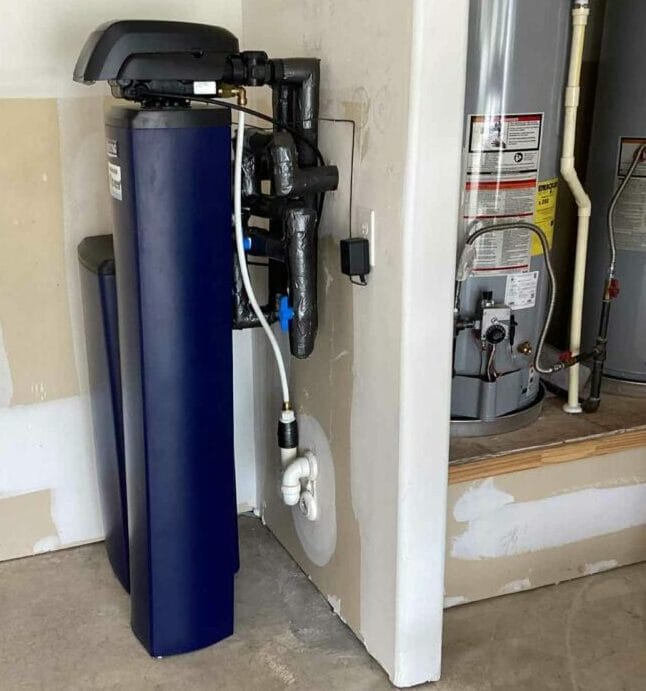
Water Softener Systems
Benefits
- Eliminates damaging limescale buildup on plumbing fixtures
- Provides noticeably softer skin and cleaner laundry
- Protects water-using appliances from premature wear
-
Reduces household soap and detergent costs significantly
Things to consider
- Requires periodic salt replenishment
- Needs a standard electrical outlet and drain connection

Replacement Media & Resin
Benefits
- High-capacity resin restores old softeners to new condition
- Specialized carbon blends available for chloramine removal
- Cost-effective alternative to buying a complete system
- Commercial-grade durability for long-term performance
Things to consider
- Re-bedding a tank is physically heavy labor
- Old media must be disposed of correctly

Control Valves & Heads
Benefits
- Modernize older systems with digital metering precision
- Simple, user-friendly programming interfaces
- High-flow designs maintain strong household water pressure
- Durable construction minimizes leak potential
Things to consider
- Installation typically requires basic plumbing knowledge
- Valve size must match the specific tank diameter
How to Choose the Right Water Treatment System
Choosing water treatment equipment becomes much easier when you answer a few practical questions first.
What problem are you trying to solve?
Are you concerned about hard-water scale, taste, odor, drinking water, or several of these issues?
Do you need treatment throughout the home?
If the concern affects showers, appliances, fixtures, and plumbing, whole-home treatment may be the better approach. If the concern is mainly drinking water, a point-of-use system may be enough.
How much water does the household use?
System capacity should match normal demand. A unit that is too small may struggle to keep up, while an oversized system can add unnecessary cost.
What level of maintenance are you comfortable with?
Softeners, conditioners, filters, and reverse osmosis systems all have different service requirements. Salt use, filter changes, membrane replacement, and periodic maintenance should be considered before installation.
Will the equipment be supported after installation?
Water treatment is not a one-time purchase. Access to replacement parts, filters, maintenance, and professional service matters over the life of the system.
What Makes Water Treatment Equipment Worth Buying?
A large tank and a long list of features do not automatically make a system a good investment.
Good equipment should be reliable, appropriately sized, easy to maintain, and suited to the water problem it is expected to solve.
Important details include:
Treatment media quality
Resin, carbon, membranes, and other media directly affect system performance.
Control and regeneration efficiency
A softener should regenerate according to actual treatment demand rather than wasting water and salt.
Flow capacity
Whole-home equipment needs to support normal household usage without creating frustrating pressure drops.
Serviceable components
Parts should be available when maintenance or repair is needed.
Professional installation
Correct plumbing connections, drainage, bypass configuration, pressure, and programming all influence performance.
The right equipment is the system that works consistently in your home, not the one with the longest list of marketing claims.