
WATER SOFTENING EQUIPMENT SUPPLIER MESA
Commercial Softening Supplies for Mesa Homes
Industrial-Strength Solutions for Local Hard Water
Understanding Your Softener Components
How High-Quality Materials Prevent System Failure
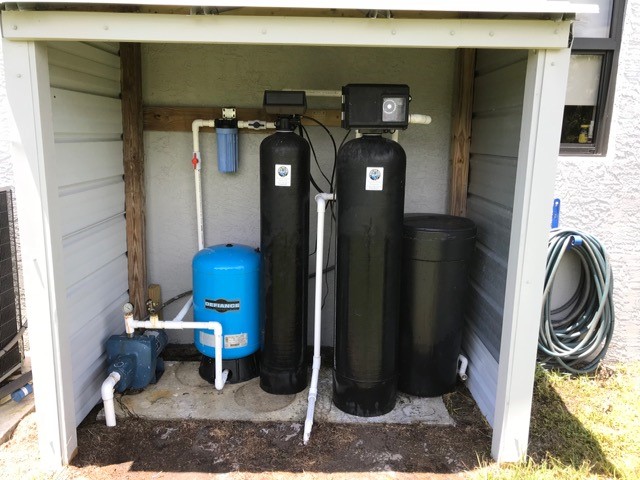
10% Cross-Linked Resin
Benefits
- The strongest resin media available for Phoenix water
- Resists turning to “mush” from city chlorine levels
- Lasts years longer than standard 8% resin
- Sold in 1 cubic foot bags (easy to transport)
Things to consider
- You must remove the heavy old resin first
- One bag usually fits a standard home system
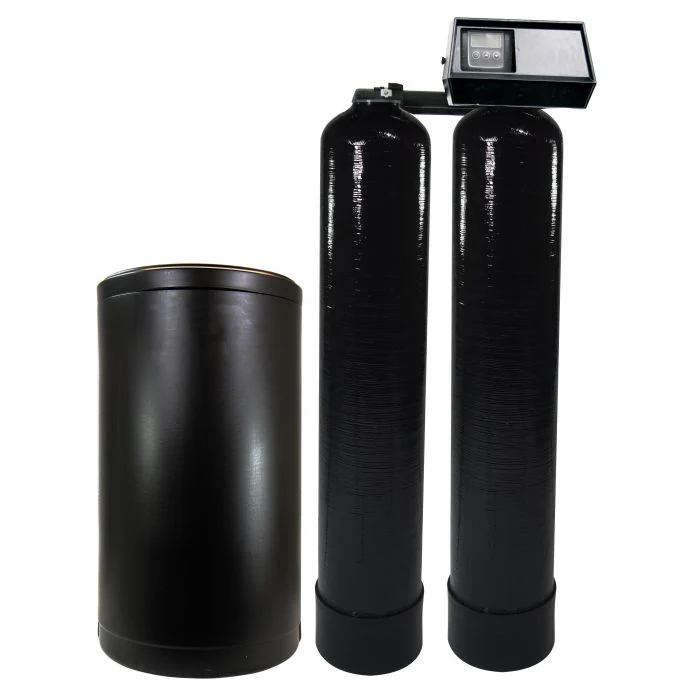
Dual-Tank High-Flow Systems
Benefits
- Provides unlimited soft water 24 hours a day
- Switching tanks ensures no downtime during cleaning
- Ideal for large families or homes with high water usage
- Uses 100% of the resin capacity for maximum efficiency
Things to consider
- Higher upfront cost than single-tank models
- Requires a larger physical footprint for installation
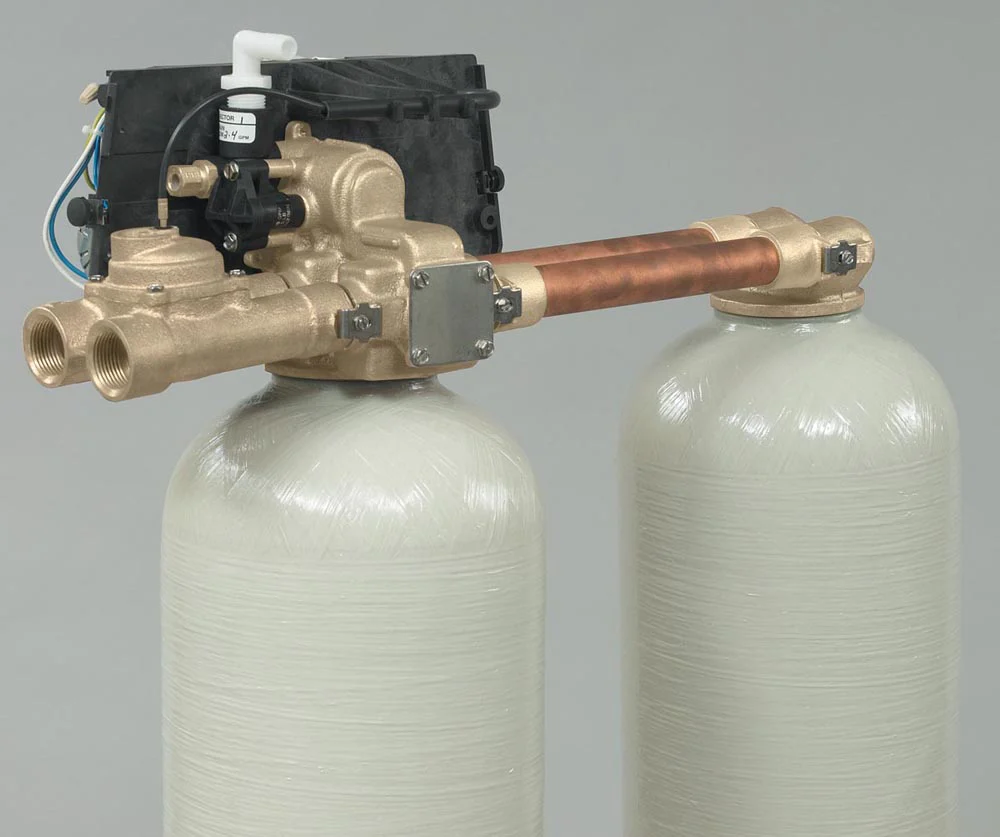
Replacement Valves & Components
Benefits
- Update old tanks with modern smart-valve technology
- Standard threading fits most professional pressure vessels
- Fully adjustable cycles for custom water hardness settings
- Availability of individual spare parts for easy repair
Things to consider
- Requires basic plumbing knowledge to retrofit
- Must measure the resin tank diameter for correct sizing
RE-BEDDING RESIN VS. SYSTEM REPLACEMENT
If your digital control valve still cycles properly but your water is hard, the problem is likely exhausted resin beads. In Mesa, chlorine often dissolves standard resin into a jelly-like sludge after 8 to 10 years of use. In this case, simply re-bedding the tank with high-quality 10% cross-linked media from Aqua Science is a cost-effective way to restore softening performance without the expense of a whole new system.
PREVENTING SALT BRIDGES AND SLUDGE
Mesa’s high garage temperatures often cause moisture to evaporate and re-condense inside your salt tank, creating a solid rock crust known as a salt bridge. This bridge prevents the salt from mixing with the water, meaning your system regenerates with plain water instead of brine. We recommend checking your salt level monthly and using a broom handle to gently break up any hard shelves you feel to ensure the system cleans itself properly.