
Water Softening Equipment Supplier in Sun Lakes, AZ
Whole-Home Softening Built Around Your Water Usage
Reduce hard-water buildup with equipment selected for your home, plumbing, and daily demand.
Hard water can affect much more than the appearance of faucets and shower glass. Mineral buildup can collect anywhere water is heated, sprayed, or allowed to dry, which means the effects may show up in water heaters, fixtures, appliances, and other plumbing equipment over time.
Aqua Science supplies water softening equipment in Sun Lakes, AZ for homeowners who want a whole-home solution to hardness. We help determine the appropriate system capacity, explain how the equipment works, and install it so it is properly configured for the household rather than simply selling a standard unit off the shelf.
How Hard Water Affects a Home Over Time
The white residue you can see is only part of the problem.
Calcium and magnesium occur naturally in hard water. As that water moves through plumbing and is heated or evaporates, those minerals can form deposits on surfaces and inside equipment.
Homeowners may notice:
- Chalky buildup around faucets
- Spots on shower doors and glassware
- Scale on showerheads
- Soap that is harder to rinse away
- Mineral residue around sinks and fixtures
- Buildup affecting water heaters and other appliances
Cleaning can remove visible deposits, but it does not change the incoming water. A whole-home softener addresses hardness before the water reaches the fixtures and equipment where those minerals create problems.
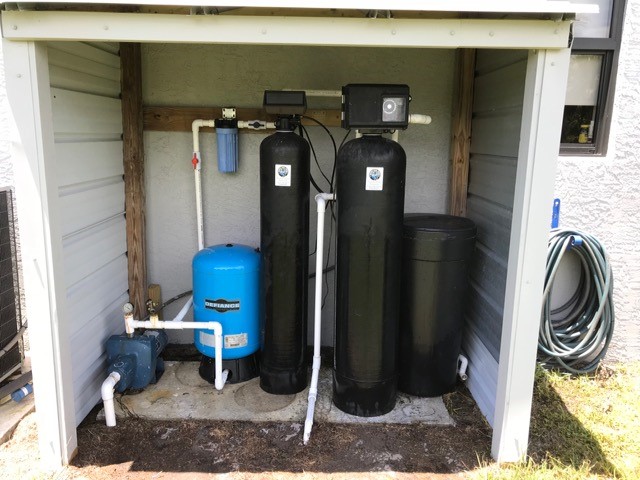
10% Cross-Linked Resin
Benefits
- The strongest resin media available for Phoenix water
- Resists turning to “mush” from city chlorine levels
- Lasts years longer than standard 8% resin
- Sold in 1 cubic foot bags (easy to transport)
Things to consider
- You must remove the heavy old resin first
- One bag usually fits a standard home system
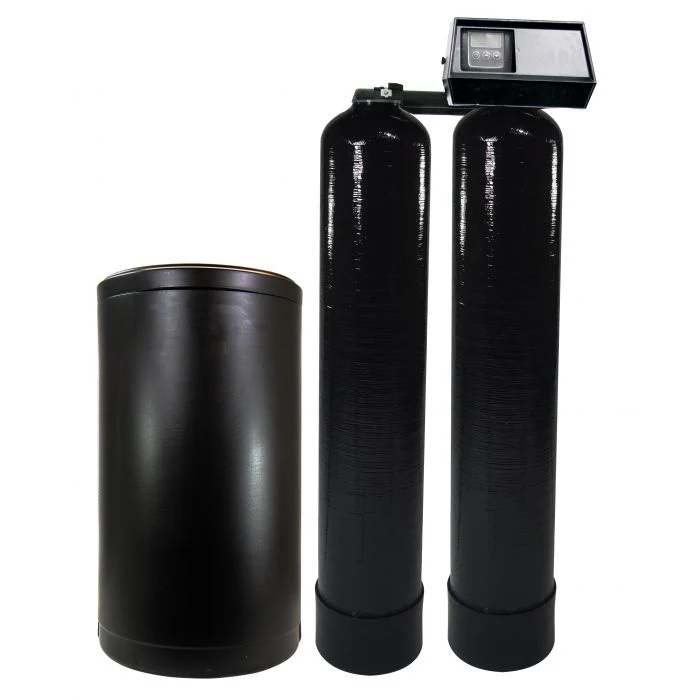
Dual-Tank High-Flow Systems
Benefits
- Provides unlimited soft water 24 hours a day
- Switching tanks ensures no downtime during cleaning
- Ideal for large families or homes with high water usage
- Uses 100% of the resin capacity for maximum efficiency
Things to consider
- Higher upfront cost than single-tank models
- Requires a larger physical footprint for installation
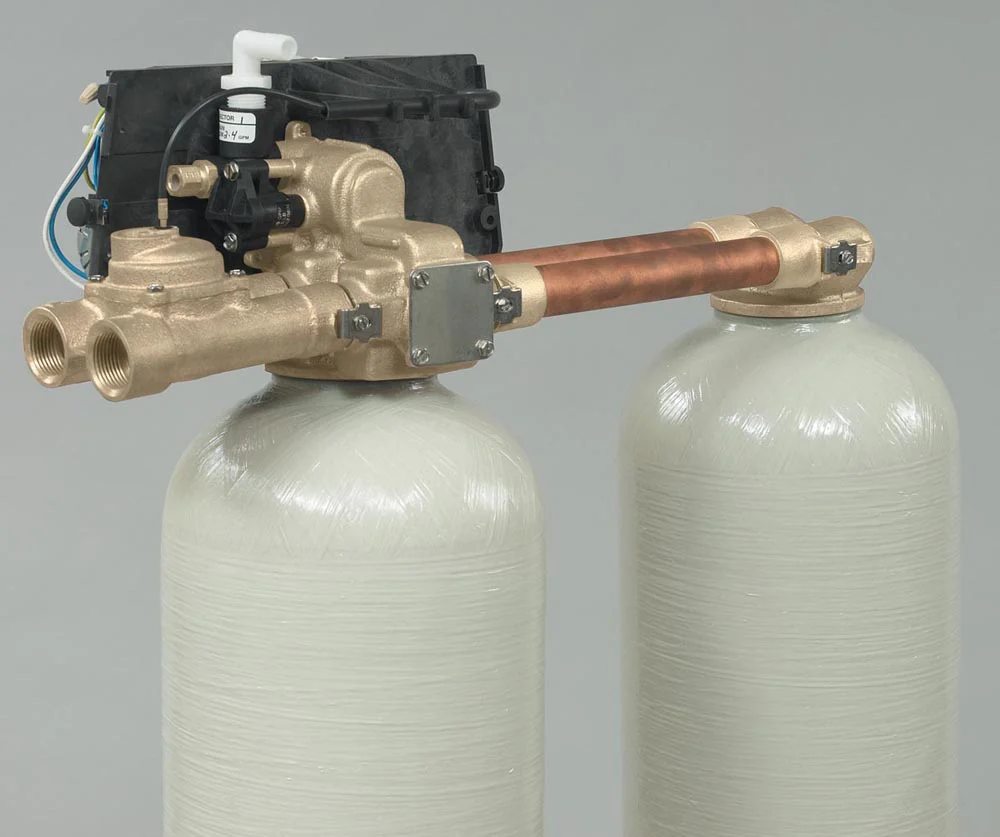
Replacement Valves & Components
Benefits
- Update old tanks with modern smart-valve technology
- Standard threading fits most professional pressure vessels
- Fully adjustable cycles for custom water hardness settings
- Availability of individual spare parts for easy repair
Things to consider
- Requires basic plumbing knowledge to retrofit
- Must measure the resin tank diameter for correct sizing
How Do You Choose the Right Water Softener?
The best water softener is not necessarily the largest or most expensive one.
A few practical factors should guide the decision.
Household Water Demand
The number of people in the home and how much water is used during busy periods affect the required system capacity.
Hardness Level
The harder the incoming water, the more treatment capacity the system may need before regeneration.
Flow Rate
A whole-home softener should be able to supply treated water while multiple fixtures are being used without causing unnecessary pressure or flow problems.
Regeneration Efficiency
The system should be configured to use salt and water appropriately rather than regenerating more often than needed.
Equipment Quality
Resin, control valves, tanks, internal distribution components, and other parts all influence performance and service life.
Future Service
Even quality water softeners require maintenance eventually. Access to parts, professional service, and knowledgeable support matters after installation.
Choosing equipment based on these factors usually leads to a better long-term result than selecting a system based only on price.
Water Softener or Salt-Free Conditioner?
This is one of the most common questions homeowners ask when comparing water treatment equipment.
A traditional water softener reduces hardness minerals through ion exchange. If your goal is true softened water and a significant reduction in mineral hardness, this is generally the more direct approach.
A salt-free conditioner works differently. It is designed to help manage how hardness minerals form deposits but does not remove calcium and magnesium from the water in the same way.
The right choice depends on what you want from the system.
If you want the feel and performance associated with softened water, a conventional softener may make more sense. If your priority is deposit control with no salt or regeneration, conditioning may be worth considering.
Aqua Science can explain the practical difference so you know what result to expect before choosing equipment.