
Water Softening Equipment Supplier
TRUSTED SOFTENER SOLUTIONS
Protecting Your Home From Hard Water
Hard water is more than just a nuisance; it is a costly burden that shortens the lifespan of your appliances, dries out your skin, and leaves stubborn scale buildup on every fixture in your home. Finding reliable, professional-grade equipment is the first step toward reclaiming your water quality and protecting your investment.
THE SCIENCE OF SOFT WATER
Understanding Ion Exchange Technology
Quality softening relies on a process called ion exchange. Inside every professional softener is a bed of tiny resin beads charged with sodium ions. As hard water flows through this bed, the resin acts like a magnet, trapping the calcium and magnesium minerals and swapping them for harmless sodium.
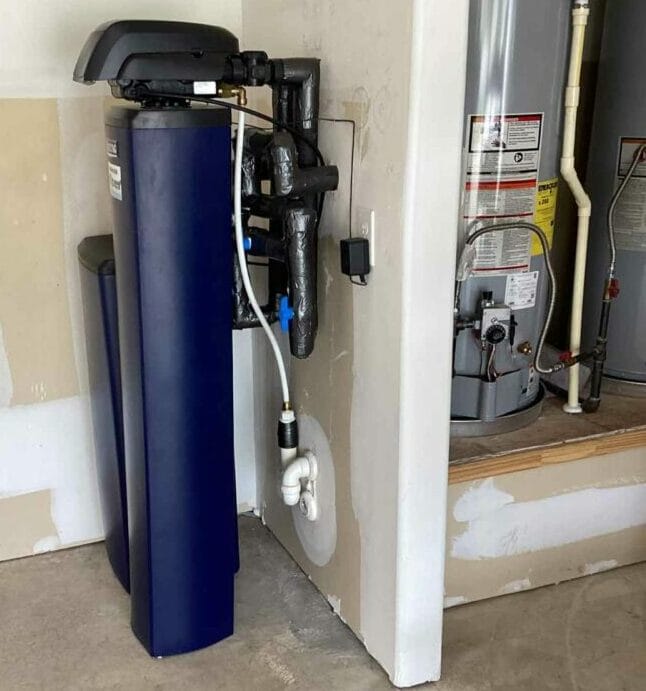
Single-Tank Residential Systems
Benefits
- Compact design fits in most garages or basements
- Digital metering saves salt and water usage
- Extends the lifespan of water heaters and dishwashers
- Significantly reduces monthly soap and detergent costs
Things to consider
- Regeneration interrupts soft water supply briefly
- Requires periodic salt replenishment to function
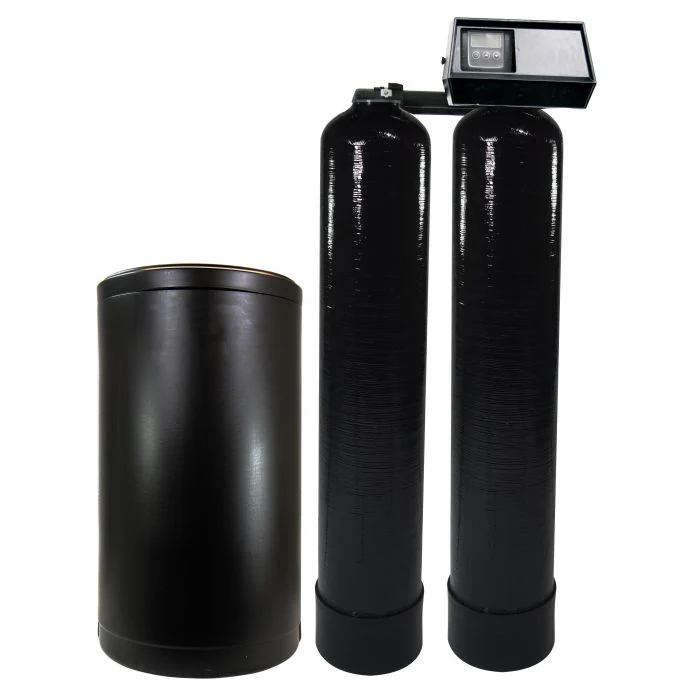
Dual-Tank High-Flow Systems
Benefits
- Provides unlimited soft water 24 hours a day
- Switching tanks ensures no downtime during cleaning
- Ideal for large families or homes with high water usage
- Uses 100% of the resin capacity for maximum efficiency
Things to consider
- Higher upfront cost than single-tank models
- Requires a larger physical footprint for installation
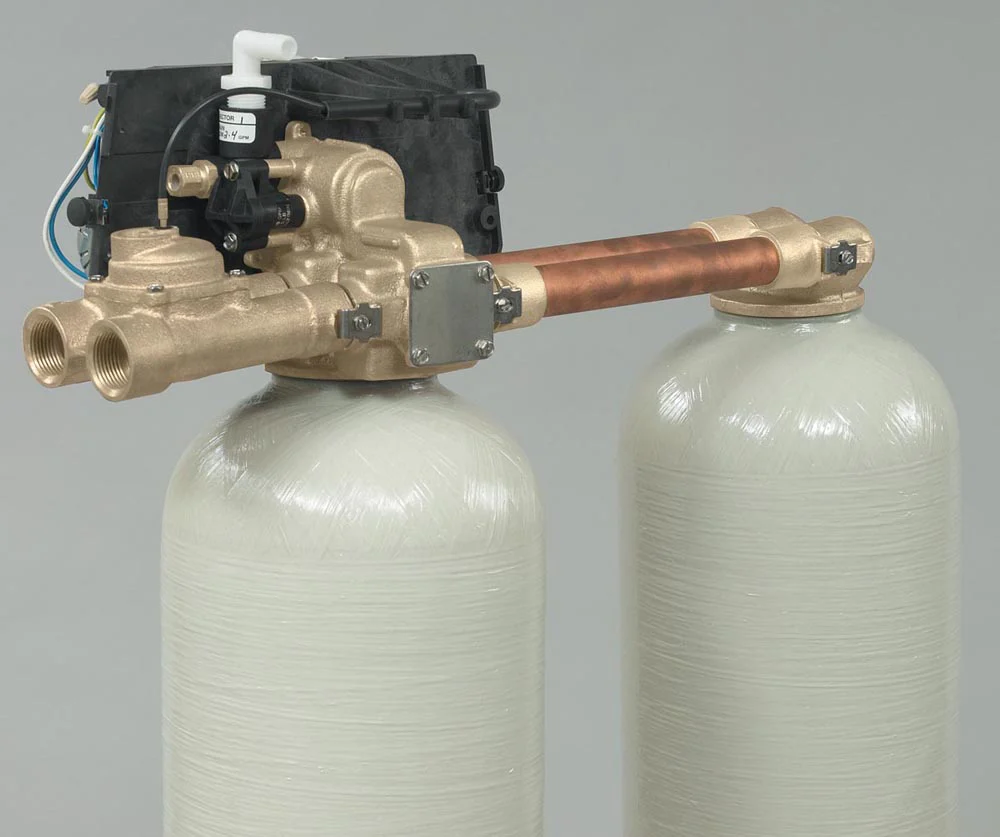
Replacement Valves & Components
Benefits
- Update old tanks with modern smart-valve technology
- Standard threading fits most professional pressure vessels
- Fully adjustable cycles for custom water hardness settings
- Availability of individual spare parts for easy repair
Things to consider
- Requires basic plumbing knowledge to retrofit
- Must measure the resin tank diameter for correct sizing
REPAIR VS. REPLACEMENT: WHEN IS IT TIME?
In the water softening supply industry, we often see customers debating between fixing an old unit or buying new. Generally, if the issue is a stuck piston or a faulty circuit board in the control valve, a repair is simple and cost-effective. However, if the main pressure vessel has cracked or if the resin has become “mushed” due to chlorine exposure—typically happening after 10-15 years—the entire unit needs replacement.
PREVENTATIVE MAINTENANCE MATTERS
To keep your softening equipment running at peak performance, salt management is key. We recommend using high-purity salt pellets to prevent the buildup of “salt sludge” at the bottom of the brine tank. Homeowners should also watch for “salt bridging,” where a hard crust forms over the water level; a quick poke with a broomstick breaks this up and ensures proper regeneration.